
COVID-19 and Pre-Adoptive Home Inspections
When pre-adoptive parents first look into adopting a child, they’ll have to prove their fitness through a home study; these home studies have typically taken about 90 days to complete in the past, but they can take longer if they are disrupted. COVID-19 has proven especially adept at disrupting such routines, and the impacts on home studies aren’t limited to timing. Below are just a few ways COVID-19 has impacted home inspections for prospective adoptive families.
A Larger Caseload
One of the more pressing problems during COVID-19 has been a lack of available caseworkers. Whether individuals are quarantined, stuck in areas that are locked down, or simply at home with children who are engaging in distance learning, there are fewer caseworkers available to conduct home visits than in normal situations. As such, adoptive parents now find themselves waiting longer to get on the docket for visits with the usual wait times conceivably being several times longer than those in the past.
This may not seem like a huge COVID adoption change, but it does impact the timeline of adoption for many who are waiting to become parents. When adoption home inspections are slowed down, virtually everything else in the adoption process follows suit. When getting on the calendar takes more time, potential parents will find themselves stuck in a holding pattern.
Quicker Inspections
 For good or for ill, the process of adoption home inspections has gotten quicker once caseworkers are able to get to the homes of prospective parents. Home inspections have never been particularly lengthy, of course, but they’ve generally been followed up by several questions and often even meetings with caseworkers. Today, though, most of those visits are being conducted as quickly as possible.
It’s wise to remember that those who feel like their adoption home inspections were carried out too quickly or inappropriately may need to contact a New Jersey adoption lawyer to challenge the decisions made and to get their applications back on track. Quick inspections might seem more efficient, but the decisions that spring from them aren’t always guaranteed to be as accurate as most would like.
Using Technology
Many adoption home inspections now use new technology to help speed along the pre-adoption home inspection process. Many agencies are beginning to use remote technology to get images of homes, ranging from teleconferencing software to pictures taken on smartphones. While both of these technologies certainly have their issues, they do allow agencies to gather data without having to potentially expose their agents to COVID-19. For many, this kind of technological innovation both removes some of the humanity from the adoption process and puts more power back in the hands of parents.
Remember, the remote sessions can often be conducted without a caseworker in the home. This means that not only do parents get to guide the camera, but they can also answer questions without having to get flustered by the stranger who might be in the room. While conducting these inspections remotely can be a double-edged sword, it is one that often cuts in the favor of the pre-adoptive parents.
Slower Processing
Finally, the adoption process is starting to run into the same kind of issue encountered in businesses and agencies across the world. Adoption home inspections are taking longer to process both because of the aforementioned lack of available caseworkers and because of many agencies bringing on fewer workers to adhere to social distancing regulations.
Slower processing of these inspections will naturally impact the timetable for any other adoption paperwork. Fortunately, many agencies do allow prospective parents to continue moving on with the other paperwork while the home inspection is being approved. Though not quite as problematic in the slowdown of actually assigning the home inspections, it should still be noted that virtually no adoptions can proceed until the home of the prospective parents has been approved via a home inspection.
You must understand how the process of getting your home inspected has changed because of COVID-19 and how it might impact your timeline for adoption. Though there’s little that you can do to speed things along, staying on top of your communications and making your home available can help. If you are struggling with the adoption process or you simply need representation to help you through it, make sure to contact a New Jersey adoption lawyer with the law firm of Cofsky & Zeidman in Haddonfield or Woodbury, New Jersey, either by phone at (856) 429-5005 or (856) 845-2555 or through the contact page.
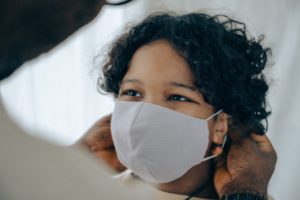


 Most adoption agencies want to confirm that you are prepared to handle a child both during and after the COVID-19 crisis. The biggest way this can affect adoption approval is with child care. Agencies may be wary of parents who just assume that they can continue to work remotely indefinitely. You need to make sure you have a way of giving a child appropriate care even if you have to go back to working on-site.
 Quarantines
 An unfortunate foster care COVID-19 change has been the lack of home visits from social workers. In many areas, social workers are working remotely, so they do not see the environment a child is actually in. Some social workers also report that their local courts are too overwhelmed to proceed with removing children from a bad environment. Some social workers are turning to “hidden foster care,” where they threaten removal unless the parent informally places a child with a more stable relative. This can be a stopgap measure, but it does not provide families with the same protections as official foster care. This may lead to more children in need of homes as the virus calms down. Those already licensed as foster care parents may want to go ahead and start preparing for new additions to their families.
 Whether you are bringing in a young one from China or nearby Pennsylvania, your love and care are still needed in providing a permanent home to a child. Right now, your patience is needed as well, and being steadfast will get you through uncertain times during which delays are the norm.
 With court hearings being done online due to the pandemic, a solution became available to one adoptive family in Arkansas in April. The parents were fostering a 2-year-old child they knew that they wanted to adopt. However, the date that the parents were terminating their rights was April 16, which was the date planned for the adoption. With courts closed, the adoption hearing took place through a video call on Zoom. It was still special, just celebrated in